
Krill oil is sold almost exclusively as small softgel capsules. This page explains how to read the information that appears on a typical product and what each item means. It describes a product type, not a particular store, and no ordering is possible through this site.
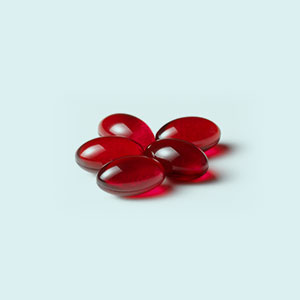
What the label usually claims
Krill oil brands tend to build their marketing around a short list of points.
- Better absorption than fish oil. The figure of “2.5 times” is quoted by some suppliers, who cite a single clinical study report from 2009. Treat any such multiplier as a supplier statement rather than settled science.
- A higher antioxidant content than competing products, thanks to astaxanthin.
- No reflux and little or no fishy aftertaste, because the oil is carried in phospholipids and the capsule is small.
- Purity: because krill sit low in the food chain, the oil is said to carry fewer contaminants than oil from larger fish. Independent third-party testing is the best proof of this, so look for a batch report where one is offered.
Typical ingredients in one 500 mg softgel
| Component | What it is |
|---|---|
| Esterified astaxanthin | A red carotenoid antioxidant. Some sources describe it as several hundred times stronger than vitamin E in laboratory tests; that comparison does not translate directly to health outcomes. |
| EPA and DHA | The two main omega-3 fatty acids, linked to heart and brain health in a large body of research. |
| Phospholipids | Fat molecules found in all cell membranes, which carry the omega-3s in krill oil. |
The capsule shell itself is generally made from gelatin, glycerin, purified water and sorbitol, with a flavouring such as ethyl vanillin. Because the shell contains gelatin (an animal product), these softgels are not suitable for vegetarians and vegans. A softgel of this size is usually listed at around 5 calories.
How much do people take?
Manufacturers commonly suggest one or two softgels a day, taken with breakfast. Some suppliers publish intake ranges by goal, for example roughly 500 to 1,000 mg a day for general wellbeing, higher amounts for cardiovascular or women’s health support, and 500 mg for children over five. These are the supplier’s own suggestions and not clinical guidance. Official dietary advice differs between countries, so a pharmacist or doctor is the right person to set an amount for you.
Safety points worth knowing
- Krill is a crustacean. If you have a fish or shellfish allergy, ask a health professional before trying any krill product.
- Omega-3s can have a mild blood-thinning effect. People taking anticoagulants or with a clotting disorder should seek medical advice first.
- Store capsules in a cool, dry place away from light and heat, roughly 15 to 25 degrees Celsius.
Health themes in labelling
Product pages in this sector often list permitted wording such as “a source of omega-3 for the maintenance of good health” or “helps maintain cardiovascular health”. Regulators allow such wording only within set limits, and it should not be read as a promise that a supplement treats any disease.
For a deeper explanation of the ingredients, see our guide to Antarctic krill oil. For common questions about timing, interactions and storage, read the FAQ, and for background on sourcing see sustainability.