
Krill Oil FAQ: Dosage, Allergies, Storage and Astaxanthin





Krill Oil
Why OCEANO3
These are the questions people most often ask about krill oil, answered in a neutral, general way. None of this replaces advice from a doctor or pharmacist.
What is the difference between krill oil and fish oil?
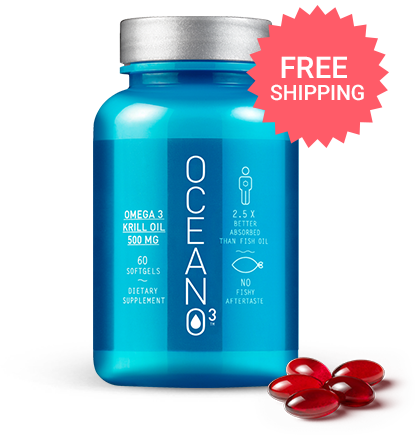
Both supply the omega-3 fatty acids EPA and DHA. In krill oil, much of the omega-3 is attached to phospholipids, while fish oil mainly holds it in triglycerides. Suppliers say this makes krill oil easier to digest and absorb, so fewer and smaller capsules are needed, and that it is less likely to cause reflux or a fishy aftertaste. Krill oil also contains astaxanthin, which fish oil does not. Krill feed low in the food chain and are often described as less prone to carrying heavy metals than larger fish.
Are all krill oils the same?
No. Quality depends on the extraction method, the phospholipid and astaxanthin content, and how the krill is sourced. One well-known ingredient brand, NKO, comes from a company founded in 1998 that developed a patented extraction process. Some retailers use it in their finished softgels. When comparing products, check the stated EPA, DHA and phospholipid amounts per serving.
Can I take it with a seafood allergy?
Krill is a crustacean, so anyone with a fish or shellfish allergy should speak to a health professional first.
How much should I take?
Suppliers generally suggest one or two small softgels daily, which corresponds to roughly 500 to 1,000 mg of oil for general use. Some suggest more for specific goals. Use the product label as a baseline and seek personal advice for anything beyond it.
Does it interact with other supplements or medicines?
No specific interactions are widely reported for krill oil, but omega-3s can affect blood clotting. Talk to a doctor before starting if you take anticoagulants or have a coagulation disorder.
Is krill endangered?
No. Antarctic krill is one of the largest animal biomasses on the planet. Industry figures say well under 2 percent of it is caught each year, and the Commission for the Conservation of Antarctic Marine Living Resources (CCAMLR) sets catch limits. Whales and penguins still depend on it, which is why monitoring continues. See the sustainability page.
How should I store it?
Keep the bottle in a cool, dry spot, about 15 to 25 degrees Celsius, away from heat and light.
When is the best time to take it?
Any time of day works. Many suppliers suggest breakfast, because omega-3s are fat-soluble and absorb better with a meal.
What is astaxanthin?
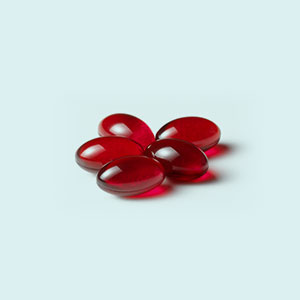
Astaxanthin is a red carotenoid antioxidant that krill obtain from the microalgae they eat. In lab tests it outperforms vitamin E and other carotenoids at neutralising free radicals, although how much this matters in the body is still being studied.
What are the supposed benefits of omega-3?
EPA and DHA are associated with cardiovascular, joint, brain and women’s health. Dietary intake of omega-3 is often low, which is why supplements are popular. Eating oily fish is the usual first recommendation.
Ordering questions
Retailers differ on delivery times, tracking and return windows, so check the policy of whoever you buy from. This website does not sell products.
For more on the oil itself, return to the home page or the label guide.