
What Are Omega-3 Fatty Acids? EPA, DHA and ALA Explained






Krill Oil
Why OCEANO3
Omega-3 fatty acids are a family of polyunsaturated fats that the human body needs but cannot make in sufficient amounts on its own. The three that matter most in nutrition are ALA (alpha-linolenic acid), found mainly in plants, and EPA (eicosapentaenoic acid) and DHA (docosahexaenoic acid), found mainly in fish and other marine sources. They differ in structure, in where they come from and in how the body uses them.
What the name means
“Omega-3” refers to the position of the first double bond in the fatty acid’s carbon chain, counted from the methyl (omega) end. In all omega-3s, that bond sits at the third carbon.
The three main types differ in length and in the number of double bonds:
| Fatty acid | Carbon atoms | Double bonds | Main sources |
|---|---|---|---|
| ALA | 18 | 3 | Flaxseed, chia, walnuts, some vegetable oils |
| EPA | 20 | 5 | Oily fish, fish oil, krill oil, algae |
| DHA | 22 | 6 | Oily fish, fish oil, krill oil, algae |
ALA: the plant form
ALA is considered an essential fatty acid because the body cannot produce it, so it has to come from food. The US National Institutes of Health Office of Dietary Supplements gives adequate intake figures for ALA of 1.6 grams a day for adult men and 1.1 grams a day for adult women. Foods such as flaxseed, chia seeds, walnuts and canola, soybean and flaxseed oils contain it.
EPA and DHA: the long-chain forms
EPA and DHA are called long-chain omega-3s. DHA is a structural component of cell membranes in the brain and retina. EPA is involved in the production of signalling molecules in the body. Both occur in fatty fish such as salmon, sardines, herring and mackerel. They originate with microalgae, which fish and krill eat, and this is also why algae-based supplements exist for people who avoid fish.
Can the body convert ALA to EPA and DHA?
Yes, but poorly. The body can lengthen ALA into EPA and then DHA, but conversion rates are low, according to the NIH. Estimates vary, but most ALA is used for energy rather than converted. Because of this, official advice for general health usually points people to eat fish or seafood, or consider an algae source, if they want direct intake of EPA and DHA.
How much do health agencies recommend?
Advice differs by country and by population. As examples:
- The NHS recommends eating at least two portions of fish a week, one of which should be oily.
- The Dietary Guidelines for Americans suggest eating seafood, with about 8 ounces a week for adults, choosing varieties higher in omega-3 and lower in mercury.
Intake recommendations for EPA plus DHA also exist at national and international levels, and they change as evidence is reviewed. Official sources are the best place to check current figures.
What research says about supplements
Studies of omega-3 supplements for conditions such as heart disease, depression and eye disease have had mixed results. The NIH describes the evidence as varying by condition, dose and population, and some trials found little benefit while others found modest effects in specific groups. For that reason, claims that omega-3 supplements prevent or treat disease should be treated with caution. People who take blood-thinning medicines, are pregnant or have seafood allergies should speak to a doctor or pharmacist before using fish oil or krill oil.
Forms of omega-3 in supplements
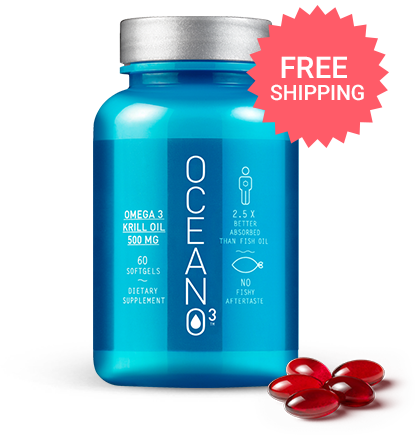
Supplements contain omega-3 in several chemical forms: triglycerides, ethyl esters, free fatty acids or phospholipids. Fish oil is often sold as triglycerides or concentrated ethyl esters, while krill oil carries part of its omega-3 in phospholipids. How much those differences matter for absorption is still debated. For a closer look at one common supplement, see how to read a label in the guide to krill oil softgels and omega-3 supplements, and the site’s krill oil FAQ covers common questions.
Frequently asked questions
Are omega-3 and omega-6 the same?
No. They are different families of polyunsaturated fat. Both are needed, and they are used in different ways in the body.
Is ALA enough on its own?
For essential fatty acid needs, ALA counts. For direct EPA and DHA intake, the body’s conversion is limited, so fish, seafood or algae are the more direct sources.
Do vegetarians get EPA and DHA?
Only in small amounts through conversion unless they eat algae-based foods or supplements.
Can you take too much?
High doses can have effects such as increased bleeding tendency or digestive upset. Dose limits depend on the product and the person, so follow label instructions and ask a professional.
Further reading
The NIH Office of Dietary Supplements publishes a detailed omega-3 fatty acids fact sheet for health professionals. The site overview has more about krill oil and related topics. This article is general information and does not replace advice from a doctor, dietitian or pharmacist.